Monto and Magdalenes
*
Monto and Magdalenes *
Many young girls grow up with a dollhouse — a space of imagination, storytelling, and domestic familiarity. By drawing on this shared cultural memory, the installation invites audiences to play and establish an emotional connection with the women whose histories it explores.
This dollhouse invites you to engage with both the distinct and the shared aspects of the experiences of Irish women in Monto and in the Magdalene Laundries. Montgomery Street (aka Monto) was known as the largest red-light district in Europe in the 19th Century until its closure by the Legion of Mary in 1925. The first Magdalene Laundry opened in 1765, and more appeared in the 20th century until the last one closed in 1998. The Laundries were implemented to reform women who had ‘fallen’ or became pregnant out of wedlock.
These two events had a brief crossing in Irish history. However, their connection goes a lot deeper. The dollhouse and website explore similarities in experience at Monto and the Magdalene Laundries - such as ‘bobbing’ of hair, women controlling other women, and community care. There are differences through the links, for example, with the Catholic Church. The Church purposefully avoided connection to Monto, while exercising significant control over the women within the Laundries.
You are invited to explore and make connections by playing with the objects in the dollhouse. How would you envision the rooms?
The website encourages you to learn more about each feature and provides resources for further information.
The main subject
The history of Monto and the Magdalene Laundries, through the eyes of the women who lived there.
This project encompasses this website and a dollhouse, which are used to present what women experienced within the brothels of Monto and the Mother & Baby Homes, and how religion and society affected them.
At a glance: Monto. Known as Montgomery Street. Biggest red-light district in Europe. It was closed by the Legion of Mary in 1925.
Magdalene Laundries: First one opened in 1765. Estimates document around 10 laundries across the 20th Century - there were approximately 18 Mother and Baby/Country Homes. The last closed in 1998. Women could be admitted voluntarily, but many were forced to enter by family members and communities.
Though each room stands alone, they are connected through different aspects that are reflected in the furniture. You are invited to learn through the website, move pieces to make your own connections and interact with the objects to learn more about these institutions.
Overview
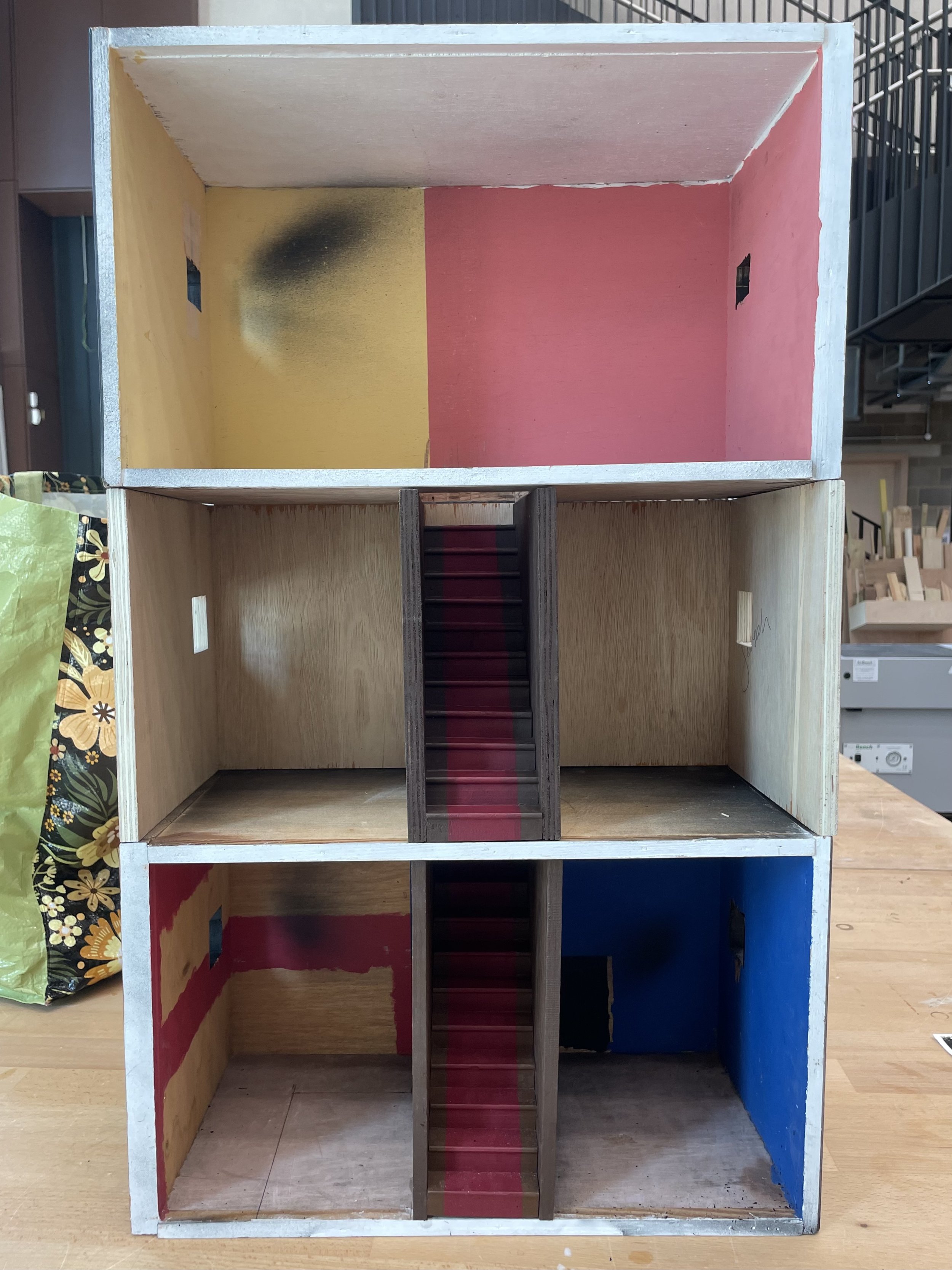
The Doll’s House
The dollhouse intends to acknowledge and affirm that the women of Monto and the Magdalene Laundries were real individuals who lived through these experiences. By depicting these experiences through the tactile familiarity of a dollhouse, the installation invites audiences to establish a personal and emotional connection with the women whose histories it explores.
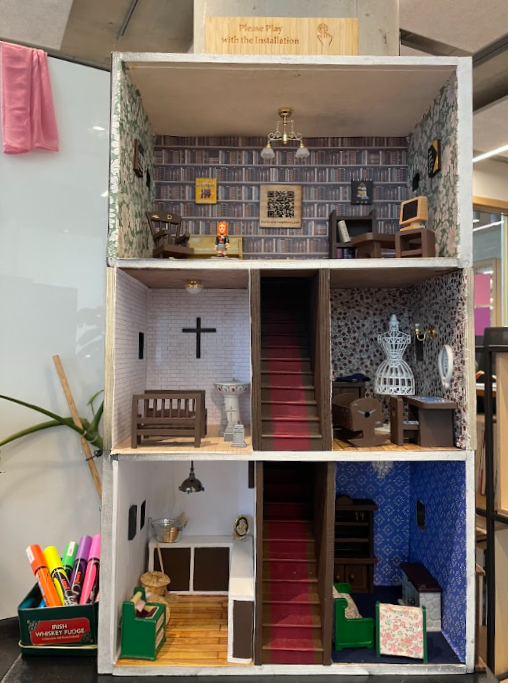
Make your way through the house and play with what's inside. The ground floor is an introduction to Monto and the Laundries. The first floor explores societal perception and religious aspects that influence women’s lives while highlighting some crossover - for example, the bobbing of women’s hair, the care from the community and the presence of religion and the Catholic Church. Finally, the attic space asks, ‘How should we remember these women and locations?’ The viewer is invited to write their thoughts or feelings on the outside of the house.
The Website
The QR code embedded in the house will provide access to further material and information, allowing visitors to engage more deeply with the women’s stories and lived realities. With each return to the installation, the audience’s understanding of the rooms expands. The domestic space becomes layered with knowledge, memory, and empathy, fostering a growing sense of connection to the women and their histories.
-
![]()
The Doll House (in progress)
-
![]()
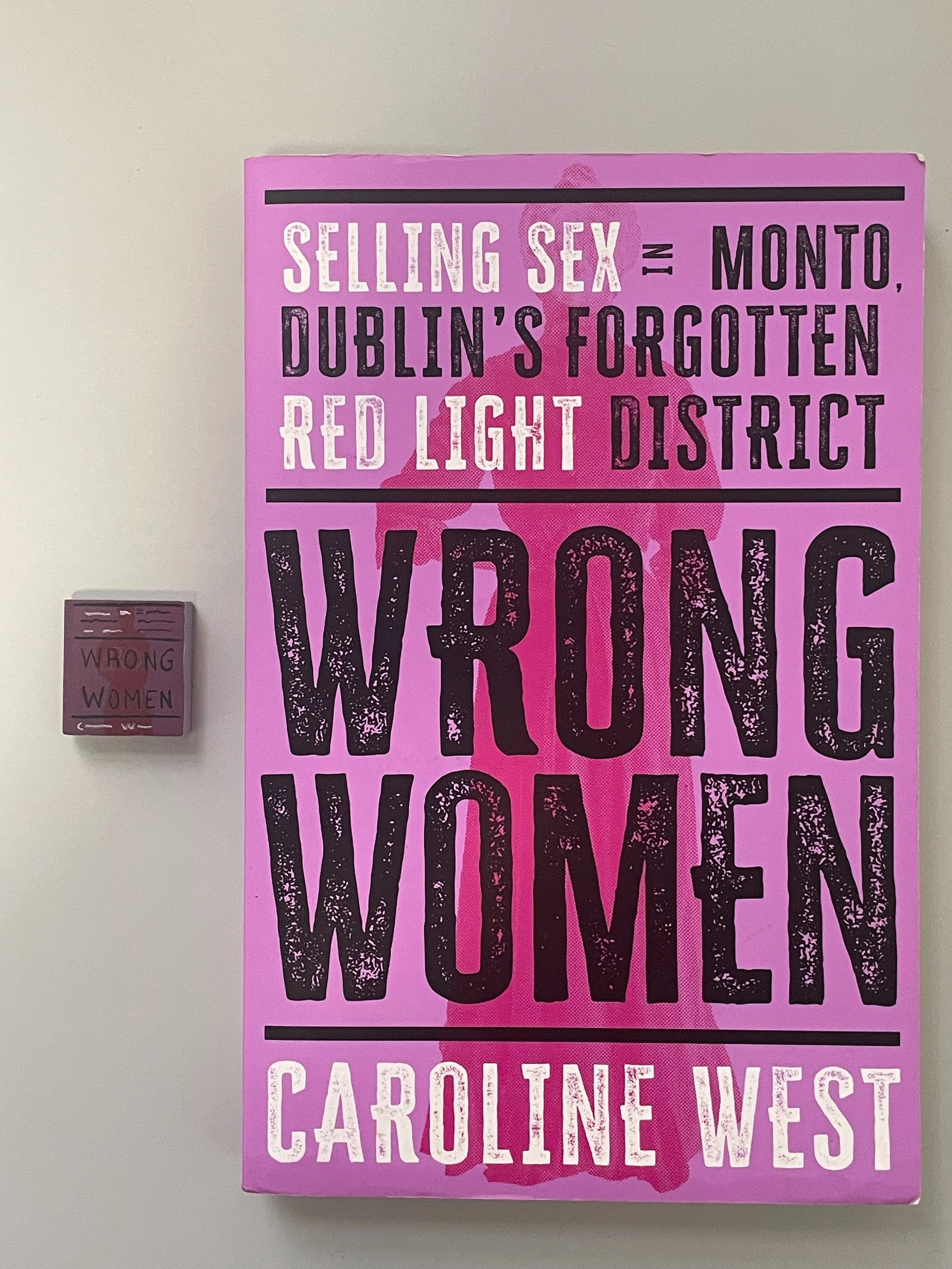
Wrong Women (book)
-
![]()
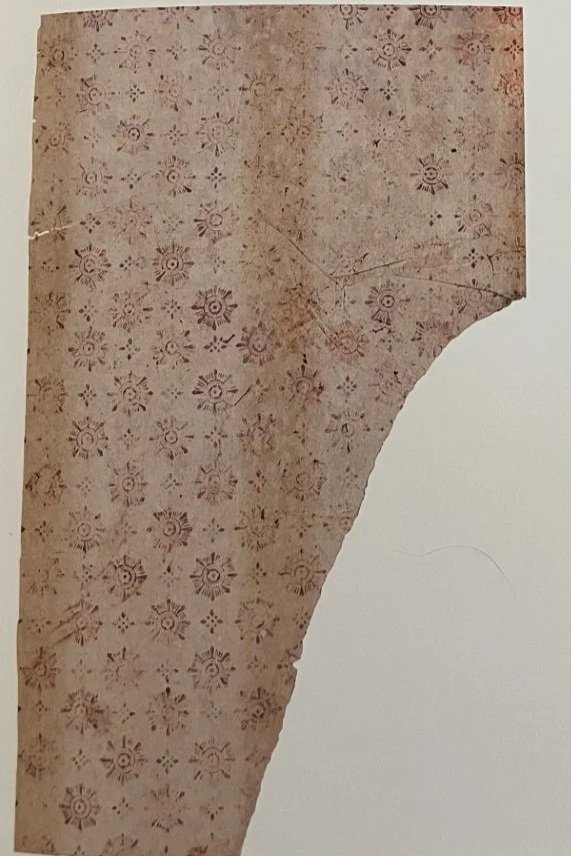
Wallpaper
-
![Alcohol Cupboard]()
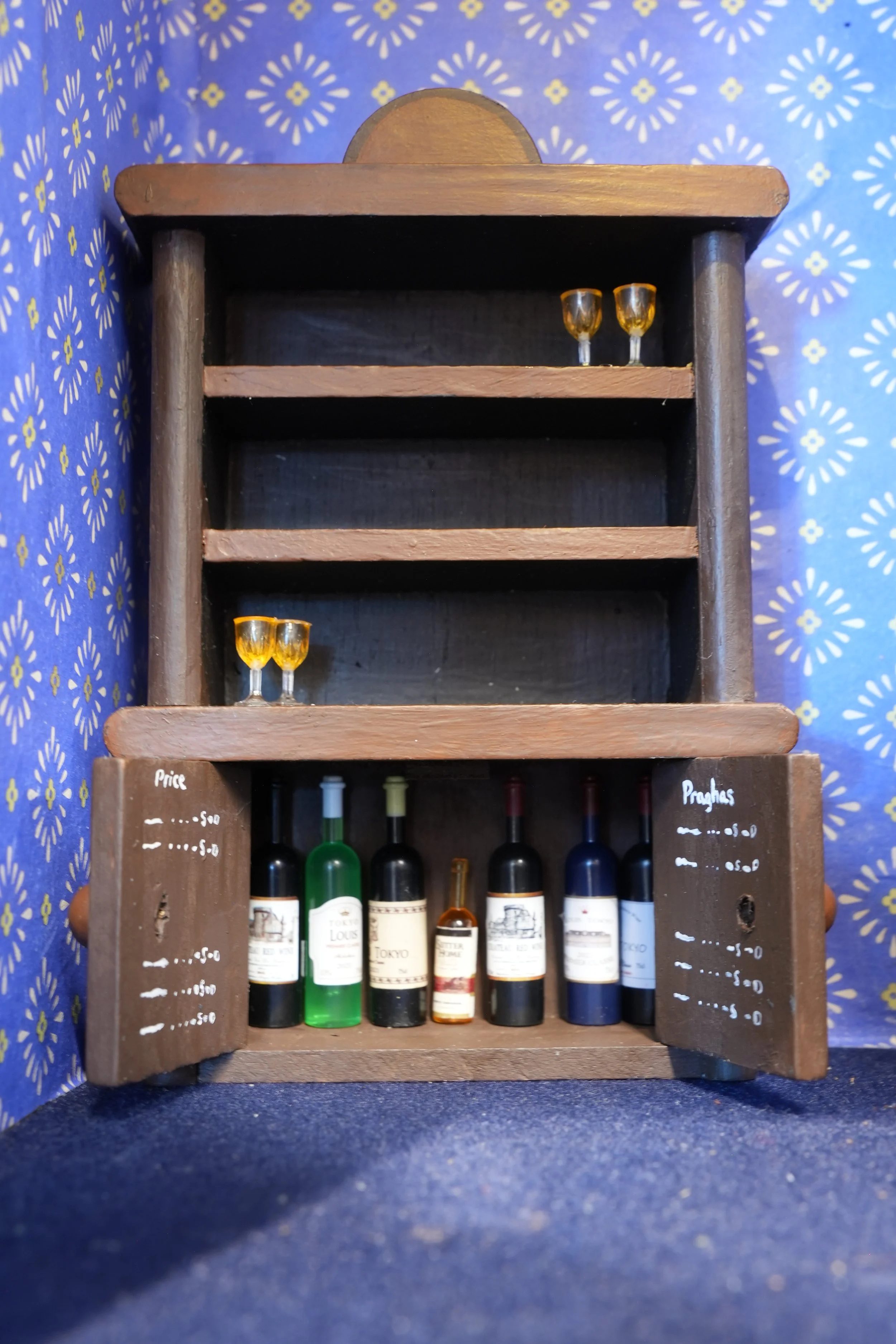
Alcohol Cupboard